
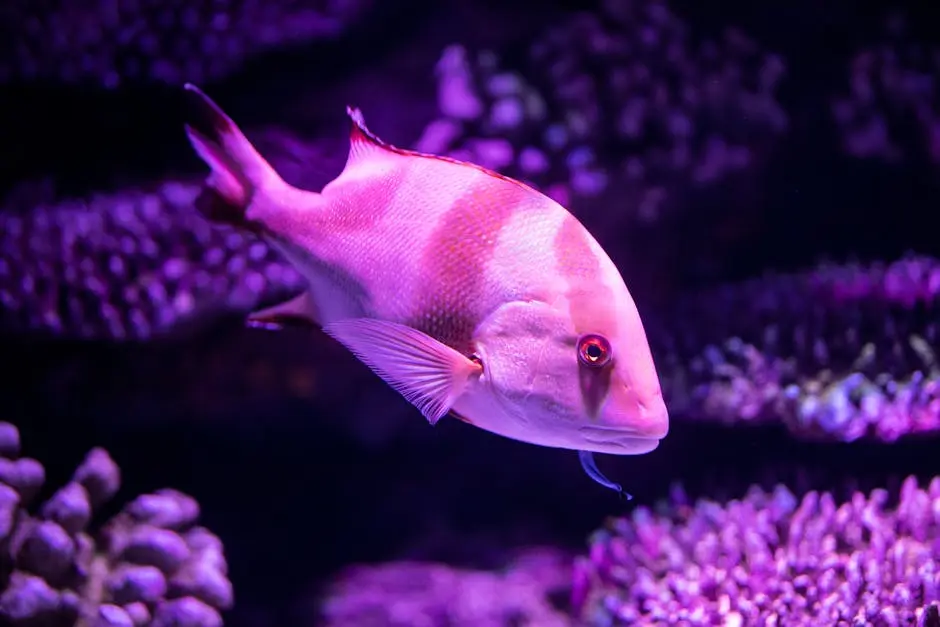
Creating a stunning saltwater tank setup in your home can transform your space into an underwater paradise. Whether you’re a seasoned aquarist or just beginning your journey, a well-designed tank can add beauty, tranquility, and even educational opportunities to your environment. In this post, we’ll explore the key elements of setting up a saltwater tank and share tips to help you create a thriving aquatic ecosystem.
Before diving into the world of saltwater tanks, it’s essential to grasp the fundamental concepts. Saltwater tanks imitate the natural ocean environment, which means that understanding marine ecology is vital for success. These ecosystems are delicate and require a balance of salt, light, and filtration to thrive. When setting up your tank, think about the volume of water you plan to use. This choice affects the type of marine life you can keep and how stable the water quality will be in your ecosystem.
Water quality is the cornerstone of any successful saltwater tank setup. Unlike freshwater tanks, saltwater aquariums need precise temperatures, salinity levels, and pH balance. Regular testing and adjustments are necessary to maintain the health of your aquatic life. For those new to this hobby, starting with a smaller tank can be beneficial. It allows for easier monitoring of water quality and the opportunity to learn the intricacies of marine care without feeling overwhelmed.
Additionally, it’s essential to familiarize yourself with the nitrogen cycle. This natural process helps establish beneficial bacteria that convert harmful ammonia into less toxic substances. Understanding how this cycle works will enable you to make informed decisions about tank inhabitants, feeding schedules, and maintenance routines.
Selecting the appropriate equipment for your saltwater tank setup is crucial to creating a thriving aquatic environment. Start with a high-quality filtration system, as it plays an important role in maintaining clean and stable water conditions. The filtration system not only removes impurities but also supports the beneficial bacteria necessary for a healthy ecosystem. Canister or sump systems are popular choices among experienced aquarists, providing efficient filtration while allowing for a larger tank design.
Lighting is another critical component. Saltwater tanks require lighting systems that emulate natural sunlight, which is essential for coral and other photosynthetic organisms. LED lights have become increasingly popular due to their efficiency and versatility. They produce less heat and can be adjusted to various spectrums, ensuring proper growth for your corals and plants. Don’t forget about the importance of a heater as well. Maintaining a consistent temperature will help prevent stress on your marine life.
Lastly, test kits are indispensable tools for any saltwater aquarist. Regular monitoring of water parameters like salinity, pH, and ammonia will keep your tank thriving. Investing in good-quality test kits will give you a clearer picture of your tank’s health and help you make necessary adjustments over time. As you become more experienced, you’ll find that knowing your equipment inside and out will lead to greater success and enjoyment in your saltwater tank journey.
Choosing the right marine life is perhaps one of the most exciting parts of setting up your saltwater tank. When selecting fish and invertebrates, consider their compatibility, care requirements, and the overall size of your tank. Research each species thoroughly before introducing them to your aquarium to avoid potential mismatches. Some fish are territorial while others are social, and understanding these dynamics will help ensure a harmonious underwater community.
Another critical factor is the bioload—the amount of waste created by the organisms in your tank. Overcrowding your aquarium can lead to poor water quality and increased stress among fish. As a beginner, it’s best to start with a few hardy species that require similar care. As you gain experience, you can diversify your selection with more demanding creatures.
Corals and invertebrates can enhance the beauty of your saltwater tank, but they also come with unique requirements. Soft corals are often recommended for beginners, as they tend to be more forgiving than hard corals. Research their light and water flow needs before adding them to your setup. Ultimately, the joy of observation will stem from curating a thriving community where each organism plays a vital role in the intricate balance of your aquatic ecosystem.
An aesthetically pleasing aquascape can transform your saltwater tank into a work of art. The layout and design of your tank should reflect both your personal style and the needs of the marine life within it. Start by considering the placement of rocks, sand, and plants. Using natural materials can help create an organic environment that mimics a coral reef or rocky shoreline. Strive for balance and use the rule of thirds to guide your layout.
Incorporating live rock not only enhances the beauty of your tank but provides crucial surfaces for beneficial bacteria to thrive. Over time, these bacteria will create a healthier environment for your marine life. Experimenting with varying heights and clusters of rock will give your aquarium dimension and intrigue. Additionally, ensure that your aquascaping choices do not obstruct water flow; proper circulation is vital for the health of both corals and fish.
Finally, consider the color palette of your tank. Selecting a mix of brightly colored fish, corals, and plants can bring the ecosystem to life. Use contrasting colors to create visual interest, allowing viewers to appreciate the beauty of your aquatic world. An inviting aquascape fosters tranquility and makes your home a peaceful retreat, offering a window into an enchanting underwater universe.
Maintaining optimum water quality is one of the cornerstones of a successful saltwater tank setup. Regular monitoring and maintenance are essential to keeping both fish and corals healthy and thriving. Weekly water tests will help you keep track of key parameters like ammonia, nitrite, nitrate, and phosphate levels. As you grow acquainted with your tank’s dynamics, you’ll quickly identify any irregularities that may indicate an underlying issue.
Routine water changes play a significant role in maintaining water quality. Replacing about 10-20% of your tank water weekly will help remove toxins, replenish trace elements, and dilute harmful substances. This practice also helps keep the overall salinity levels constant, which is vital for the well-being of your marine inhabitants. To make this process more manageable, consider using a siphon to extract gravel build-up during water changes while simultaneously mixing newly salted water.
Additionally, maintaining the right temperature and humidity within the room can affect tank health in significant ways. Ensure your tank is located in a well-ventilated space with consistent temperatures that remain within your marine life’s acceptable range. Also, avoid placing your aquarium in direct sunlight, as this can create unwanted algae growth and temperature fluctuations. Monitoring and adapting to the changing conditions in your tank is instrumental in achieving a thriving and vibrant marine habitat.
Despite your best efforts, you may encounter challenges while managing your saltwater tank. The key to overcoming these hurdles lies in understanding common issues and knowing how to address them promptly. One prevalent problem is algae overgrowth, which can be exacerbated by excessive nutrient levels or inadequate lighting schedules. Regular maintenance can prevent algae blooms; consider introducing herbivorous fish or invertebrates that help eliminate algae naturally.
Another issue is unexplained fish stress or illness, which can manifest as hiding, unusual swimming patterns, or a lack of appetite. In such cases, carefully observe your tank’s water parameters and look for signs of disease. Quarantining sick fish and ensuring that your tank is adequately filtered and oxygenated can help alleviate stress. Do not hesitate to seek expert advice or research extensively to identify any potential issues.
Lastly, consider joining online communities or local aquarist groups. Networking with experienced enthusiasts can provide invaluable insights, tips, and a support system when you’re grappling with challenges. Remember, every aquarist faces hurdles at some point; it’s about learning and adapting that turns those challenges into opportunities for growth and improvement in your saltwater tank setup.
Setting up a saltwater tank is not just a hobby; it’s a rewarding experience that can beautify your home and provide a sense of peace. With the right preparation, knowledge, and a little patience, you can create a vibrant underwater world right in your living room. Remember to do your research, invest in quality equipment, and most importantly, enjoy the process of watching your aquatic life flourish.